

C3 Corvette Electric Headlights: Is It Time to Ditch the Vacuum System?
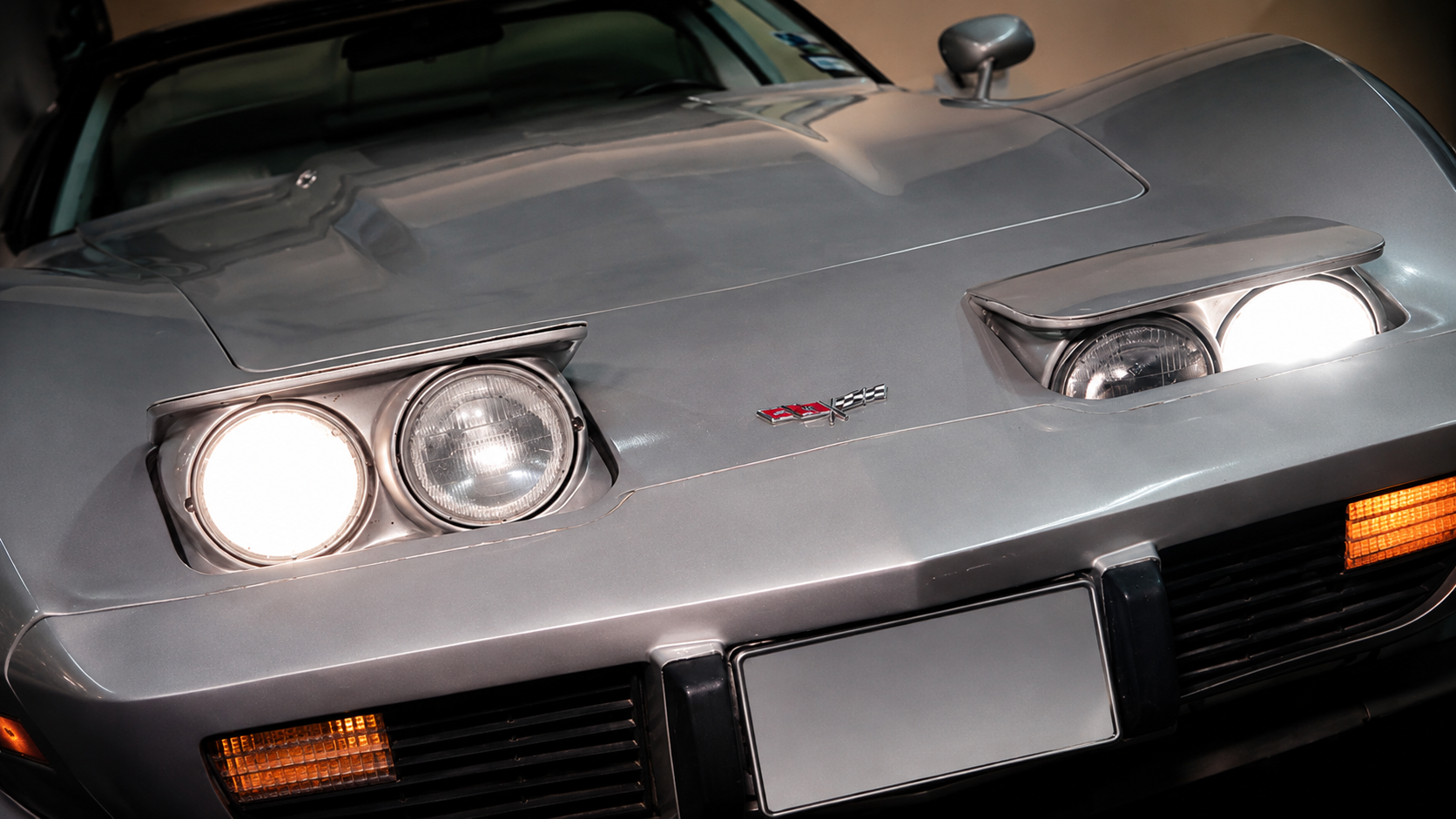
Keep the pop-up drama. Lose the vacuum headaches. Here’s what changes, how the conversion works, and whether it makes sense for your C3.
By CruisinStreet
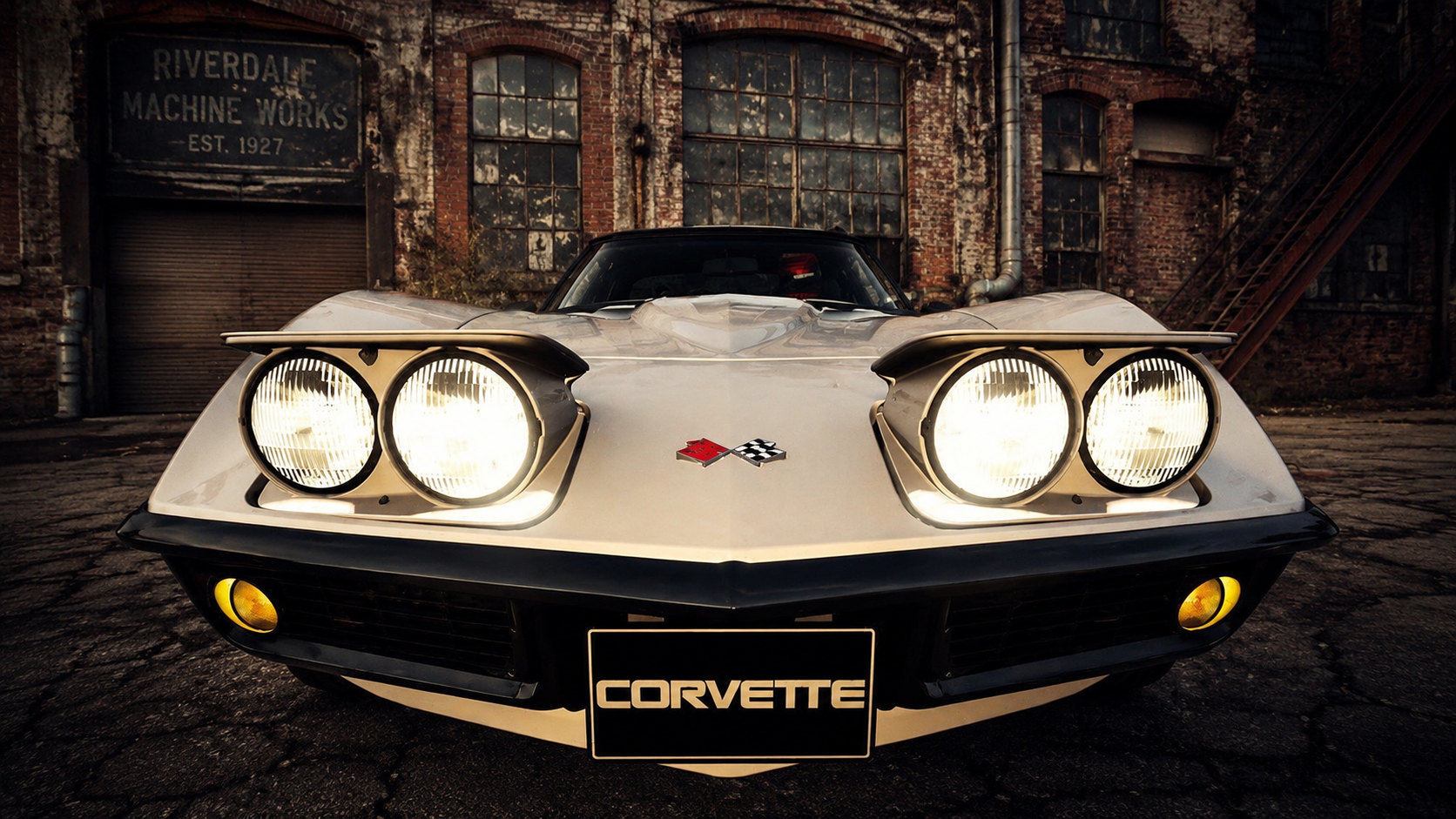
Pull the headlight switch on a well-sorted C3 and there’s a little bit of theater before the road ahead lights up. Both doors rise, four round lamps appear, and you’re reminded that cars used to do things simply because they were cool.
Pull that same switch when the vacuum system isn’t quite so well sorted and the performance can be different.
One eye opens.
The other thinks about it.
That familiar C3 “wink” is funny right up until you actually need the headlights. From 1968 through 1982, Chevrolet used engine vacuum to operate the C3 Corvette’s headlight doors. More than four decades later, the hoses, seals, diaphragms and control components behind that system may have a few opinions of their own.
Vacuum vs. Electric
An electric conversion doesn’t remove the pop-up headlights. It changes what makes the doors move.
Original character.
Engine vacuum powers diaphragm actuators. It’s factory-correct and works well when healthy, but depends on sealed hoses, good diaphragms and adequate vacuum.
Same doors. Different muscle.
Electric motors or actuators move the original mechanism. No engine vacuum is required, making the conversion especially attractive on modified cars and restomods.
Why C3 Vacuum Headlights Start Acting Up
The factory system is more robust than its reputation sometimes suggests. A properly repaired vacuum setup can still work very well.
The trouble is that every part of the system needs to stay sealed. Cracked hoses, leaking actuator diaphragms, deteriorated seals and control problems can leave the doors slow, uneven or unwilling to move. A performance camshaft can add another wrinkle by reducing manifold vacuum at idle.
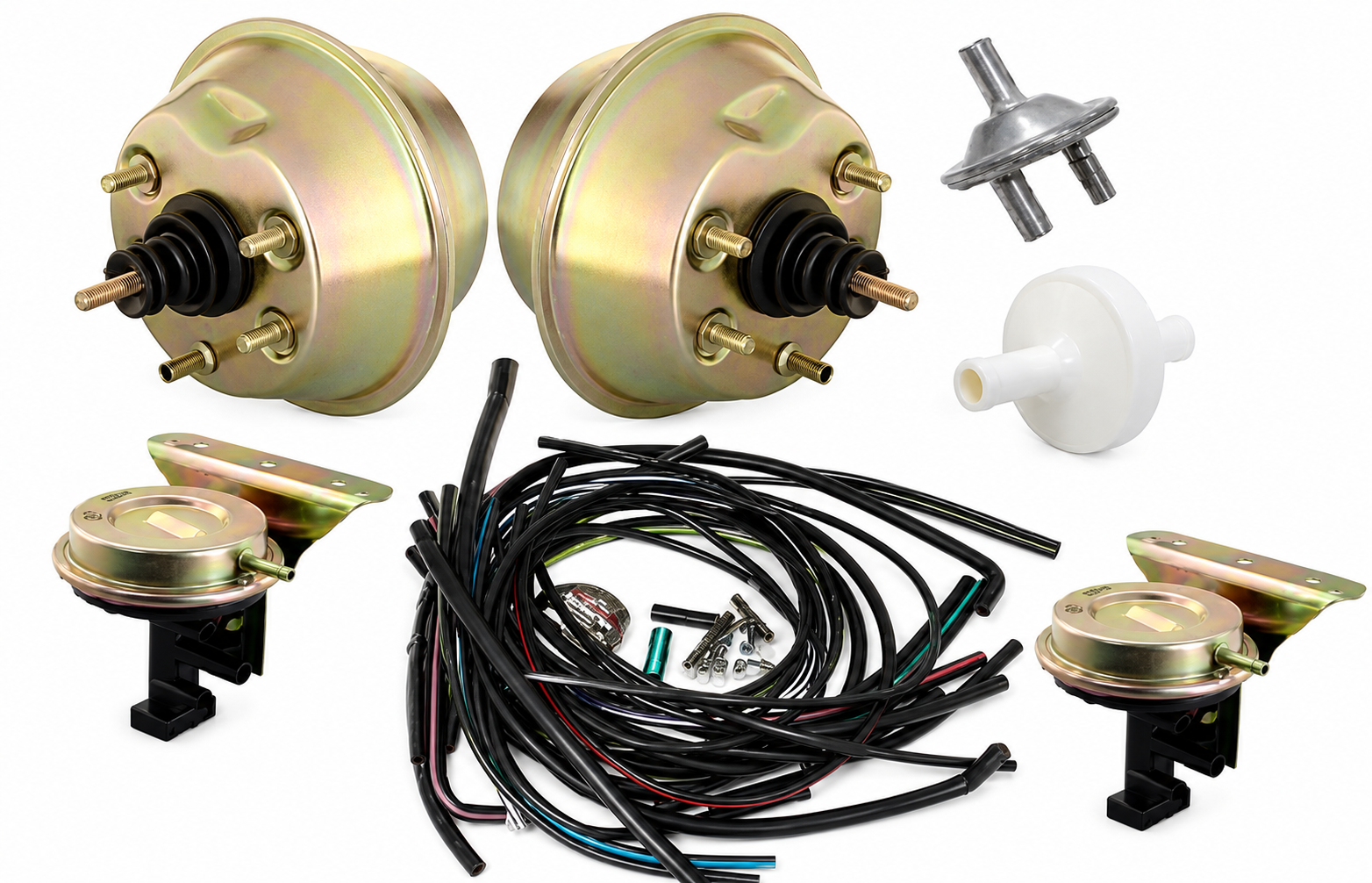
This Is the Hardware Doing the Work
Strip away the hoses and vacuum actuators and the idea becomes surprisingly simple—and available at a very affordable price point. Two electric motor assemblies operate the headlight doors while a dedicated harness handles the electrical side of the conversion.
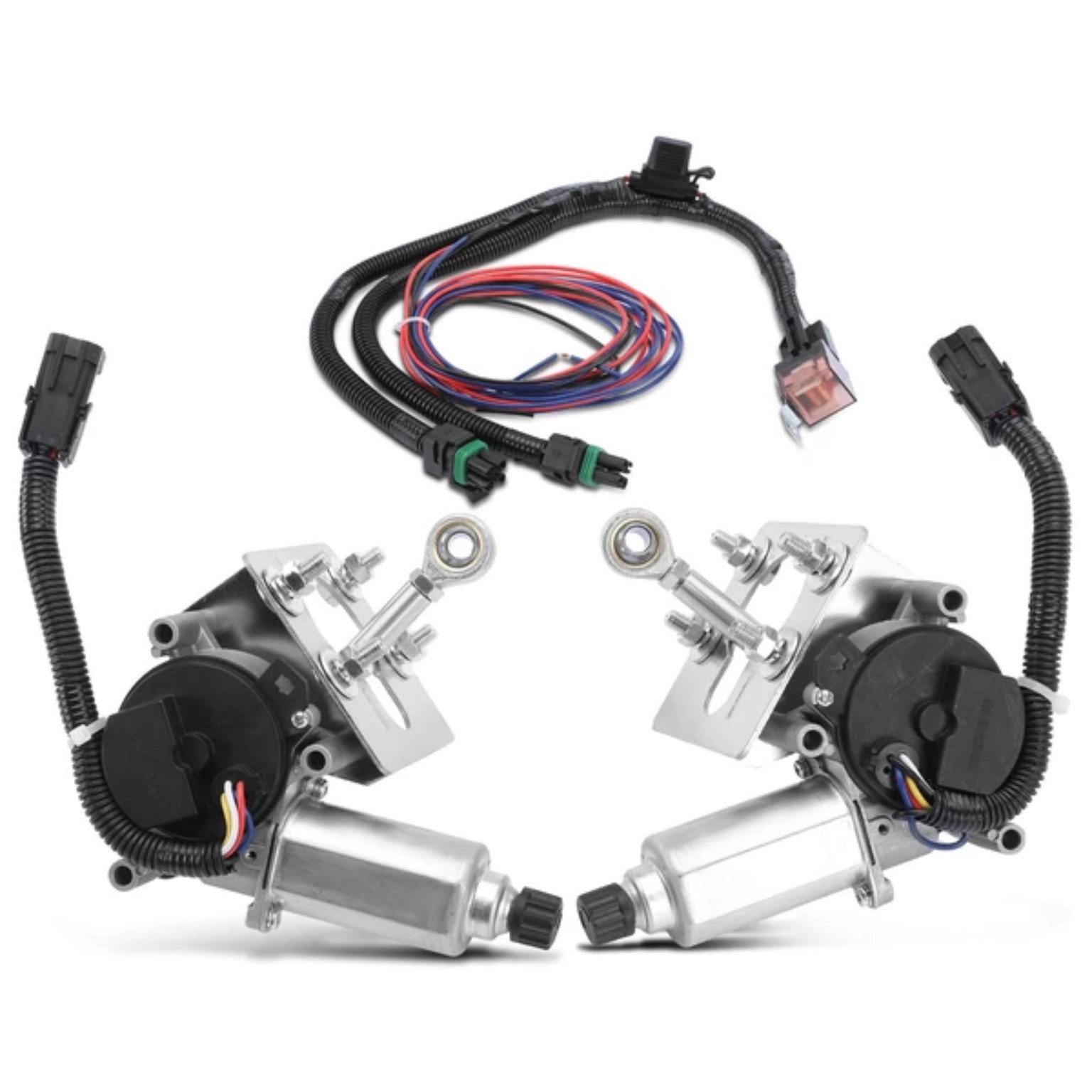
How the Electric Conversion Works
Exact installation varies by kit, but the basic process is similar.
01 — Make sure the doors move freely. Fix binding first.
02 — Disconnect the battery and gain access. Follow the kit manufacturer’s procedure.
03 — Remove the vacuum actuator hardware being replaced. Disconnect the original linkage carefully.
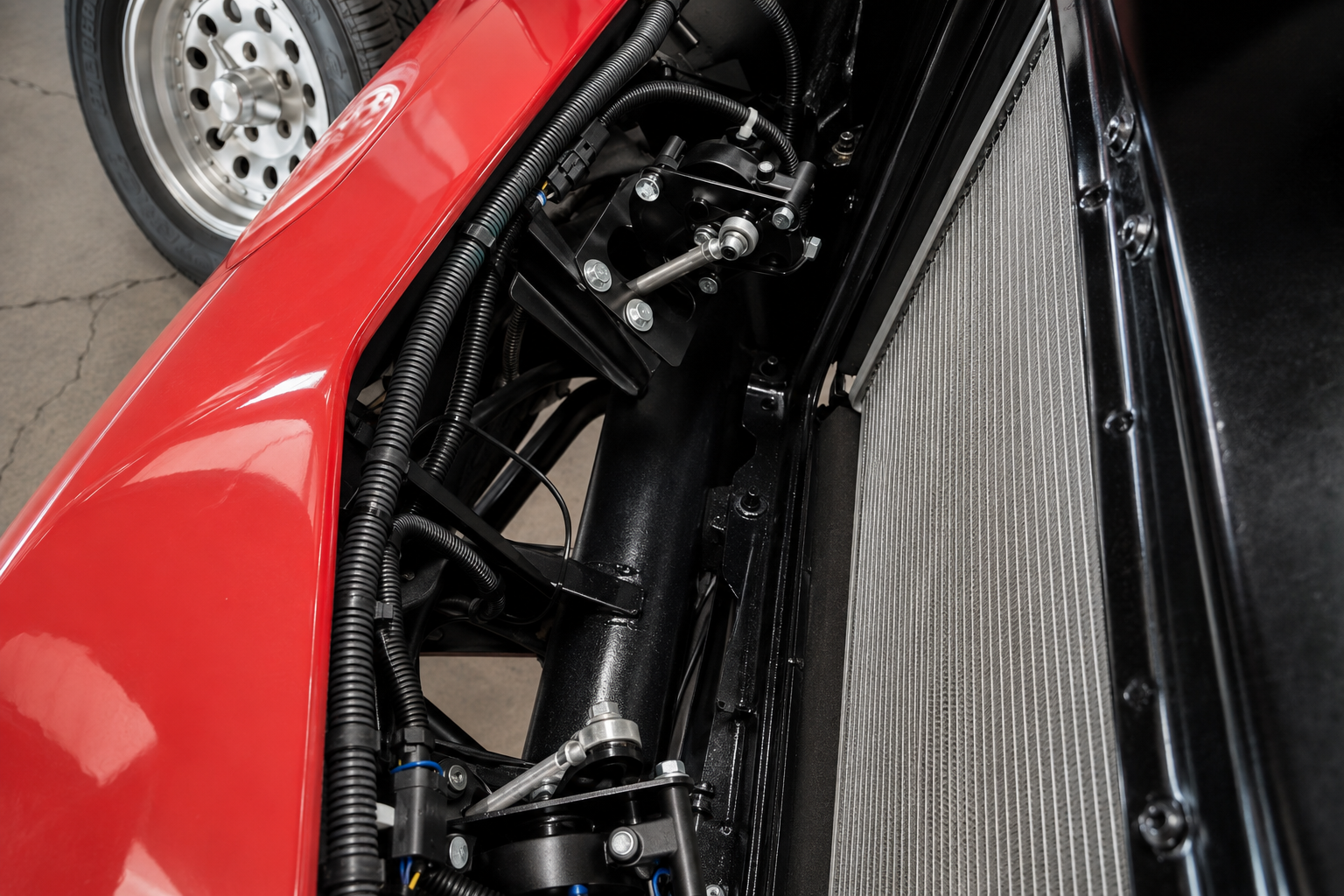
04 — Install the electric motors, brackets and linkage. Quality kits are designed around the Corvette’s existing mechanism.
05 — Connect the harness and controller. Power, ground and switching details depend on the kit.
06 — Cycle the doors and adjust. Verify alignment, clearance and smooth travel.
How Much Does It Cost?
C3 electric headlight conversions vary considerably in design and price. Premium complete systems can approach roughly $1,100, while simpler designs can cost substantially less, with some options around $90 receiving positive buyer feedback. Price alone should not make the decision. Compare the mounting design, wiring quality, serviceability, included hardware, instructions and whether the installation permanently alters the car.
Should Every C3 Be Converted?
No. If you own a highly original Corvette and the factory system operates correctly, there is real value in keeping it. Vacuum-operated headlight doors are part of the engineering personality of the C3.
But if your Corvette is a regular driver, a performance build or a restomod—and you value predictable operation over absolute originality—the electric conversion is much easier to justify.
Modernize the part you don’t see.
Some modifications change the personality of an old Corvette. The best ones simply remove friction from owning it. Electric headlight doors fall into that second category.
Walk toward the car and it is still unmistakably a C3. Pull the switch and those doors still rise dramatically out of the nose. The difference is happening underneath.
The car still feels like a C3.
It just asks less of you.

Comments 0
Ask questions, share advice, and help other enthusiasts.